Sleep & Bedding
How Wool Mattress Toppers Manage Warmth and Moisture
A wool layer can soften the feel of a bed while helping buffer the small shifts in temperature and humidity that happen through the night. Its performance depends on more than the fiber alone: fill, quilting, cover fabric, fit, and care all shape the experience.
A bed is a compact climate. Beneath the covers, the body releases heat and water vapor; sheets and blankets hold or pass that warmth along; and the room’s temperature keeps changing around them. A mattress topper sits at the boundary between sleeper and mattress, where even a modest change in cushioning or airflow can affect how the surface feels. Wool is valued in this role for its springy hand and its capacity to take up moisture vapor and release it again as surrounding conditions change.
That does not make wool a thermostat, nor does it guarantee a cool night. A topper cannot control room temperature, stop sweating, or correct an unsuitable mattress. It can, however, add a layer with different properties from the foam, latex, or other materials below it. Understanding those properties—and the construction details that influence them—makes it easier to decide whether wool is a sensible fit for your sleep setup.
What a mattress topper changes
A topper is a separate layer placed over a mattress, usually under the fitted sheet. Depending on its material and thickness, it may add cushioning, reduce the impression of a firm surface, or create a more even-feeling transition over the bed. A wool topper can provide a softly padded feel, though the amount of cushioning varies considerably from one construction to another.
The distinction between surface comfort and underlying support matters. A topper may change the first sensation when you lie down, but it does not replace the mattress’s support system. If a mattress sags, has a pronounced dip, or no longer supports the body evenly, a topper is unlikely to repair that problem. Think of it as a surface layer, not a structural fix.
The words used for bedding can also be confusing. “Pad,” “topper,” and “protector” may describe different products, but names are not always applied consistently. A protector is generally intended to guard against spills, dirt, and everyday wear, while a pad or topper may add a degree of softness or padding. Check the item’s construction and stated purpose rather than relying on the label alone.
How wool interacts with warmth and moisture
Wool fibers have a naturally crimped structure, creating small spaces that can hold air. In bedding, this structure contributes to a resilient, cushioned feel and can help reduce the sense of direct contact with the mattress beneath. The result depends on fiber quality, density, and how the wool is arranged and secured in the finished product.
Wool can also absorb moisture vapor within the fiber and release it into the surrounding air as conditions allow. This is different from being waterproof. Moisture management refers to how a material interacts with humidity and vapor; it does not mean that a wool layer will prevent liquid from reaching the mattress. For spills, incontinence, or other liquid exposure, a purpose-made waterproof protector may be more appropriate, provided it is compatible with the rest of the bedding.
The potential comfort benefit is subtle and personal. Some sleepers appreciate a surface that feels less clammy or damp, while others may notice little difference. Bedding layers, bedroom ventilation, sleepwear, blankets, and individual physiology all influence how warm a bed feels. A wool topper is one element in that system, not a stand-alone solution to night sweats or persistent overheating.
Warmth is not the same as overheating
Wool is often associated with winter clothing, so it may seem counterintuitive as a year-round bedding material. But warmth is not simply a matter of fiber name. The amount of fill, density of the pad, cover fabric, surrounding bedding, and room conditions all contribute to the finished feel. A lightweight, breathable construction may feel quite different from a thick, densely filled layer beneath heavy blankets.
For people who sleep hot, details deserve close attention. A thick topper may add cushioning but also change how much heat is retained at the bed surface. A tightly woven or heavily treated cover can influence air and vapor movement. Conversely, a more open, lighter construction may feel less insulating, although no material can promise a particular temperature experience for every sleeper.
If warmth is a concern, consider the whole sleep environment before changing several things at once. Try adjusting blankets, sleepwear, or bedroom ventilation, and note whether the discomfort is seasonal or consistent. Persistent night sweats or sleep disruption can have causes beyond bedding; seek appropriate medical advice rather than relying on a topper to address a health concern.
Wool fill, quilting, and cover construction
A useful comparison begins with what is inside the topper and how it is held in place. Wool may be formed into batting or arranged as a layer within a quilted structure. Quilting helps distribute fill and limit movement, but stitch pattern, spacing, and the amount of wool can affect loft and the way the pad conforms to a mattress.
The cover is equally important. Cotton is a common choice because it has a familiar, breathable feel, but fabric weight and weave make a difference. Look for clear information about the materials on both sides of the product, not just the headline fiber. A wool-filled pad with a fabric cover may feel and perform differently from a topper in which wool is wrapped, blended, or combined with other materials.
Fill weight and finished thickness can help clarify what “plush” or “lightweight” means in practice. If these specifications are not provided, ask the maker or retailer for details. Product descriptions that use broad terms without describing construction can make comparisons difficult. When possible, use concrete information—materials, dimensions, quilting, and care requirements—to guide the decision.
Fit and attachment: small details, nightly consequences
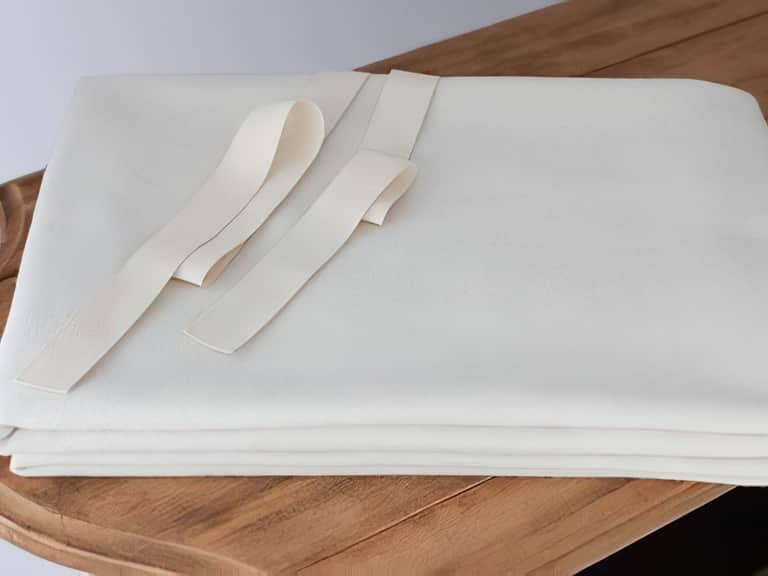
A topper that shifts or bunches can disrupt comfort regardless of its material. Check the mattress dimensions and depth, including any pillow-top or other surface layer that affects the finished height. Some pads use elasticized skirts; others use corner straps or ties. Each method should be suitable for the mattress size and construction.
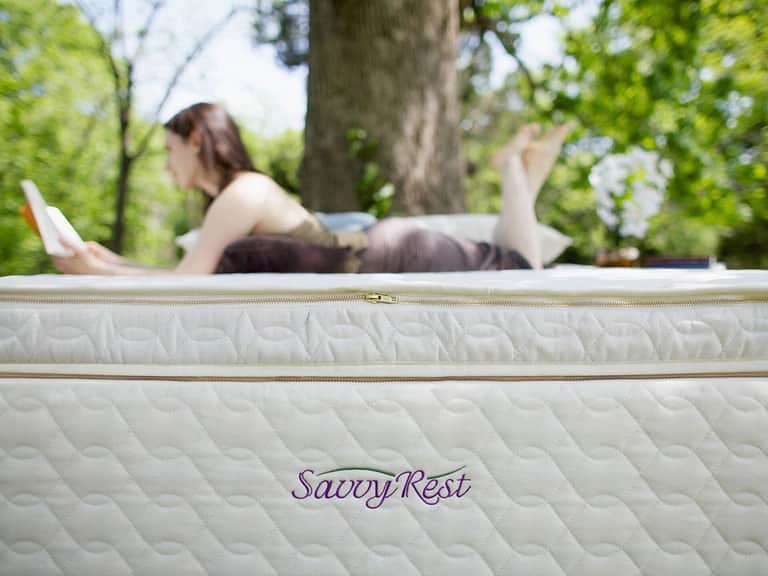
For example, the Savvy Rest Wool Mattress Pad is described as having removable cotton corner straps and fitting mattresses up to 14 inches deep. Its wool is described as moisture-resistant, and its care instructions call for hand washing in mild detergent and line drying. Those practical details may be as important as the material itself: confirm that the fit works for your mattress and that the recommended cleaning routine is realistic for your household.
Before buying, check whether the attachment system can stretch over your mattress without pulling tightly, and whether it is likely to stay secure as you move. A topper should lie flat, with no loose fabric or uneven folds beneath the fitted sheet. If your mattress is unusually deep, adjustable, or shaped differently from a standard rectangle, verify compatibility directly.
Care: wool needs a different routine
Care instructions are not a minor footnote. Some wool pads can be washed in a particular way; others are intended for spot cleaning or professional care. Washing a product contrary to its label can cause shrinkage, distortion, clumping, or damage to its cover and stitching. Follow the manufacturer’s instructions for the specific item rather than applying general advice to all wool bedding.
A removable cover, if present, may be easier to clean than the filled layer. A washable protector over the topper can help shield it from ordinary spills and body oils, but the added layer may change the feel and airflow of the bed. Choose a protector that fits securely and does not create unwanted noise, stiffness, or bunching.
Between washes, routine care can be simple: keep the surface dry, air the bedding when practical, and address a spill promptly using the method specified by the maker. Avoid assuming that a natural fiber is self-cleaning or immune to allergens. Cleanliness depends on use, the surrounding bedding, and appropriate care.
Is a wool mattress topper right for you?
A wool topper may suit someone looking for a naturally cushioned layer, a different surface feel, and a material that can interact with moisture vapor. It may also appeal to people who prefer wool or are comparing bedding made from natural fibers. Those preferences are personal, and they should be weighed against the product’s maintenance needs, fit, and cost.
It may be less suitable if you need a waterproof barrier, want a very specific change in mattress firmness, or cannot accommodate its cleaning requirements. People with wool sensitivity or known material allergies should review the fiber and cover information carefully. A topper that feels comfortable to one sleeper may feel too warm, too firm, or insufficiently supportive to another.
If you share a bed, consider whether both sleepers want the same surface feel. A full-width topper affects both sides, and differences in body temperature or comfort preference can become more noticeable with a new layer. A return policy or trial period, where available, may be helpful, but read its terms and hygiene requirements before purchase.
A practical comparison checklist
Before choosing among wool mattress toppers, compare the details that affect daily use:
- Purpose: Is the item meant to add cushioning, protect the mattress, or do both?
- Materials: What are the fill and cover made from, and are any blends or treatments disclosed?
- Construction: Is the wool quilted, layered, or otherwise secured? Are thickness and fill weight stated?
- Temperature feel: Will its loft and fabric suit your usual blankets, sleepwear, and bedroom climate?
- Moisture protection: Does it manage vapor only, or is a separate waterproof protector required?
- Fit: Does the pad accommodate your mattress size and depth, and how does it attach?
- Care: Can you follow the washing, drying, and spot-cleaning instructions?
- Expectations: Are you seeking surface cushioning, rather than a repair for sagging or inadequate mattress support?
A quieter kind of comfort
The appeal of wool in bedding lies not in a dramatic transformation but in the modest work of a material layer: cushioning the surface, holding air within its structure, and responding to moisture in the surrounding environment. Whether those qualities improve sleep is a matter of fit, construction, personal preference, and the conditions in the room.
The best choice is therefore not simply “wool” versus another fiber. It is a topper whose thickness, cover, attachment, and care requirements match your mattress and your routine. Read specifications closely, distinguish moisture management from waterproofing, and keep expectations grounded: a topper can alter the feel of the bed, but it cannot replace sound mattress support or resolve every cause of restless sleep.