A Practical Guide to Choosing Organic Mattresses: Materials, Certifications, and Care
Exploring how to select an organic mattress with confidence, this guide examines natural materials, credible certifications, and practical care to sustain comfort and longevity.
Published on 2026-09-30
In the quiet cadence of a night, the mattress becomes more than a surface; it is a vessel for rest, a steward of air quality, and a partner in long-term health. The term “organic mattress” carries a spectrum of meanings, from the absence of certain chemicals to the adoption of natural materials that age with dignity. This guide explores what makes a mattress truly organic, why that designation matters for sleep quality and indoor air, and how to navigate the landscape of materials, certifications, and care with discernment.
For many readers, the pursuit starts with comfort—firmness, pressure relief, temperature regulation, and durability. Yet the organic dimension invites a broader lens: sustainability, transparency, and the integrity of claims. As with any long-term investment in sleep, knowledge reduces the guesswork and nurtures choices that align with health, values, and lived experience.
What does “organic” mean in mattresses?
Organic certification in mattresses typically centers on materials that are grown or processed without synthetic pesticides, fertilizers, or certain chemical additives. The objective is to reduce exposure to potentially irritant substances, improve indoor air quality, and promote sustainable farming and manufacturing practices. However, the path from farm to bedroom is not a single line; it is a network of components—cover fabrics, foams, latex, wool, cotton, coatings, and finishes—each carrying its own set of standards and verification methods.
A truly organic mattress often depends on the holistic approach: the core comfort layers, the outer cover, and the adhesives or resins used in lamination. The right combination can deliver comfort and peace of mind simultaneously, ensuring that the sleeping environment remains as pure as possible while still performing on the essentials of support and temperature regulation.
Key materials in organic mattresses
The material palette of an organic mattress centers on natural or naturally derived components that meet established standards. The most common categories include:
- Natural latex sourced from rubber tree sap, often processed with minimal synthetic additives. It provides responsive support and durable pressure relief, with a natural resilience that can complement different sleeping positions.
- Organic cotton used in the mattress core or cover. It tends to regulate moisture, remains breathable, and can form a comfortable surface that lasts with proper care.
- Organic wool or other natural fibers used for comfort layers or insulation. Wool can help with temperature regulation and moisture management, contributing to a cooler sleep in warm climates and warmth in cooler months.
- Non-toxic foams that are certified for lower emissions or made with natural-origin polyols. When used, these foams should be explicitly labeled as organic or non-toxic and be supported by credible certifications.
- Natural fibers for covers or batting such as linen, cotton, or blends that favor breathability and comfort without introducing harsh chemical residues.
It is important to read product specifications carefully. Some mattresses may blend natural materials with synthetic components for performance reasons. An organic label, when present, should be traceable to recognized certifications that verify claims about farming practices, processing, and emissions.
Certifications to look for
Certifications provide a structured method to verify claims about materials, manufacturing processes, and safety. While no single standard covers every aspect of an organic mattress, several independent seals are widely respected for transparency and rigor:
- GOTS (Global Organic Textile Standard) — Focused on textiles, including covers, fabrics, and threads, GOTS certifies organic fiber content from organic farming to fiber processing, dyeing, and social criteria in the supply chain. A GOTS label indicates a commitment to organic material content, low-impact dyes, and fair labor practices.
- GOLS (Global Organic Latex Standard) — Dedicated to latex production, GOLS ensures organic latex content and responsible manufacture, including the processing and curing steps, with environmental and social criteria.
- GOTS-approved wool — When wool is present, certification of wool under GOTS or similar standards signals adherence to organic farming and processing practices for the wool component.
- Third-party testing and disclosures — Independent labs may assess emissions, volatile organic compounds (VOCs), and chemical residues. Documentation of test results, along with a complete materials list, reinforces credibility and helps consumers compare options across brands.
Certification programs provide a framework for evaluating organic claims, but buyers should also examine the full bill of materials (BOM), the supply chain disclosures, and the manufacturer’s traceability. A mattress may carry organic material labels in certain layers while using other non-organic components elsewhere. Transparency about the entire product is essential to truly assessing its organic integrity.
Care and longevity: sustaining organic integrity
The quality of organic materials does not automatically guarantee long-term comfort or durability. Proper care helps preserve the performance of the mattress while maintaining its organic characteristics:
- Airing and protection — Use a breathable cover or protector that is compatible with organic materials. Protectors can guard against moisture and staining without sealing in heat or trapping off-gasses.
- Rotation and flipping — If the mattress design supports it, rotate periodically to promote even wear. Some all-foam or latex mattresses are not flippable, so follow manufacturer guidance to avoid voiding warranties.
- Cleaning with gentle methods — Clean with mild, non-toxic detergents as recommended by the brand. Avoid harsh solvents that could affect natural coatings or finishes.
- Moisture management — Wool and cotton components can help with humidity regulation, but excess moisture can still lead to mold or mildew. Ensure the sleeping environment remains within healthy humidity ranges and consider dehumidification in damp climates.
- Temperature considerations — Temperature plays a critical role in the feel of organic materials. Wool, cotton, and natural latex often respond well to seasonal changes, while synthetic additives may alter heat dissipation. A well-ventilated room supports consistent comfort year-round.
Certification documentation should accompany care guidance, including any recommended cleaning agents or maintenance practices specific to the organic layers. Following these guidelines helps preserve the integrity of the materials and the credibility of the product’s organic claims.
How to evaluate an organic mattress truthfully
The marketplace offers a spectrum of products labeled as organic. To separate genuine commitments from marketing, consider the following framework:
- Material completeness — Verify which components are organic, where they come from, and whether the entire product meets a given standard.
- Certification scope — Understand what each certification covers (fibers, foams, coatings) and the geographic scope of the standard.
- Supply chain transparency — Demand a clear supply chain map, showing farm origins, processing facilities, and any intermediaries involved in producing the mattress components.
- Independent verification — Look for third-party reviews, lab tests, and credible industry publications that corroborate the brand’s claims.
- Performance data — Assess sleep performance metrics such as pressure distribution, spine alignment, and temperature regulation, ideally supported by objective testing methods.
A thoughtful approach to evaluation emphasizes both the physical feel of the mattress and the ethical, environmental, and health considerations embedded in its construction. The most resilient choices tend to be those grounded in explicit certifications, transparent material disclosures, and a track record of consistent performance over time.
Practical care: a concise checklist for organic mattresses
- Read the mattress’s care label and the manufacturer’s website for organic guidance.
- Use only compatible protectors and covers that maintain breathability without compromising organic integrity.
- Rotate or flip as recommended, and avoid placing excessive weight on one area to promote even wear.
- Avoid high-moisture environments; monitor humidity and airflow where the mattress resides.
- Schedule periodic inspections for signs of wear, odors, or moisture damage, and address issues promptly.
A curated perspective on materials and certification claims
In an era where consumer awareness grows alongside product variety, the organic mattress category offers meaningful opportunities to align sleep health with environmental stewardship. The most credible options emerge from brands that demonstrate robust traceability, transparent material sourcing, and independent verification. This multi-layered approach supports a sleeping environment that honors both the body and the planet.
When you measure a mattress not merely by its surface feel but by the integrity of every layer—from core to cover—you gain a deeper understanding of what you are inviting into your bedroom: a product crafted with intention, respect for ecosystems, and a commitment to healthier indoor air.
Real-world considerations: health, environment, and lifestyle
People approach mattress decisions through varied lenses: sensitivities to chemicals, concerns about air quality, or commitments to sustainable living. For households with children or occupants who spend extended periods in bed, the demand for low-emission materials and durable performance becomes even more pronounced. Organic mattresses can support a quieter, cleaner bedroom atmosphere when selections are thoughtful and aligned with verified standards.
In addition to material purity, the concept of “organic” invites a broader reflection on the life cycle of the product. What happens at the end of its useful life? Can components be recycled or safely disposed of? These considerations shape a more responsible consumer culture, one that extends beyond the bedroom to the broader ecosystem.
Related topics to deepen understanding
- Sleep science basics: circadian rhythms, sleep stages, and how the bedroom environment supports restorative rest.
- Temperature regulation strategies: breathable bedding, natural fibers, and airflow optimization.
- Certifications landscape: how to interpret seals, ensure validity, and compare across brands.
- Care routines for organic textiles: cleaning methods that preserve fiber integrity and certification status.
Conclusion: making informed, sustainable choices
Choosing an organic mattress is a decision that blends comfort, health, and responsibility. By prioritizing authentic materials, transparent sourcing, and independently verified certifications, you create a sleeping environment that can benefit your well-being today while honoring the world for tomorrow. The mattress you select becomes more than a product; it becomes a partner in your nightly renewal and a small investment in a more sustainable future.
Notes on product integration (specific recommendations)
For readers exploring options within the bedding ecosystem, consider checking the following product example that aligns with the organic ethos while offering practical performance:
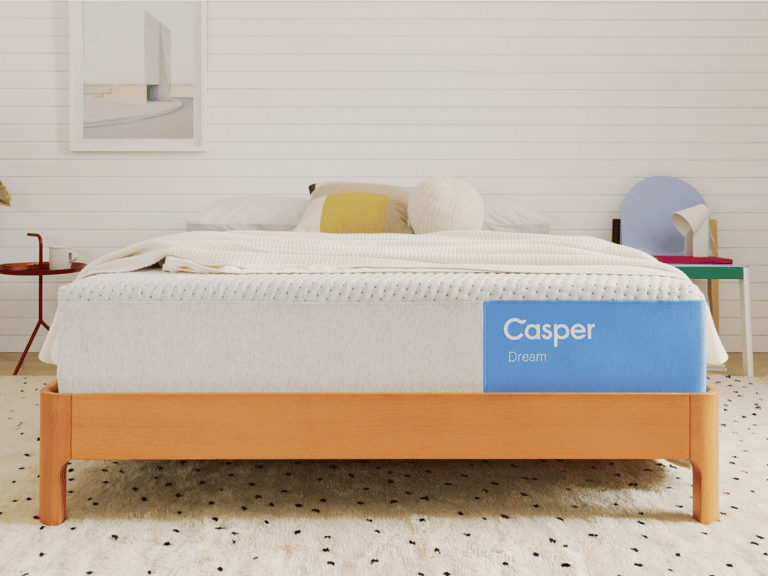
Repose Bed Frame — this example emphasizes sustainable wood sourcing and solid construction, providing a sturdy platform that supports an organic mattress while contributing to an orderly, natural bedroom aesthetic. Its design prioritizes durability and a quiet, timeless presence, qualities that complement a healthy sleep environment.
Note: The listing above represents a real product example that reflects a broader ethos of sustainable materials and careful craftsmanship in the bedroom ecosystem. When evaluating a mattress, prioritize organic certifications for the core components and the cover, and validate claims with independent testing where possible.
Glossary (quick reference)
- Organic: materials produced without synthetic pesticides, with verified certification.
- GOTS: Global Organic Textile Standard, a leading textile certification for organic fibers and processing.
- GOLS: Global Organic Latex Standard, focusing on organic latex content and responsible manufacturing.
- Certifications: third-party verifications that provide credibility to organic claims across materials and production processes.
References and further reading
For readers seeking deeper engagement with sleep health, material science, and certification standards, explore resources from established sleep science organizations, textile standard bodies, and independent testing laboratories. A discerning approach combines consumer education with ongoing scientific and industry updates to inform decisions that endure.
Customer note: availability and product linkage
The article references general concepts and a real-world product example that aligns with sustainable material practices. If you encounter product pages or directories, verify the organic claims and certification details directly on the product listing, and review the accompanying documentation to ensure alignment with the standards discussed above.

